



Somany Ceramics - Manimala Tiles & Granites, Manimala, kottayam
 INRhttps://dealers.somanyceramics.com/tiles-and-bathware/-in-kottayam/-in-manimala/somany-ceramics-manimala-tiles-granites-in-manimala-kottayam--6uUcJo/articles/common-tile-adhesive-mistakes-that-cause-hollow-tiles-and-debonding--23147fff-b840-4e31-bba8-8a7f5d84103b
Main Road, Nearby Kothalappady, Manimala, kottayam, kerala - 686543
Request A Call Back
Somany Ceramics - Manimala Tiles & Granites Blogs in Manimala, kottayam
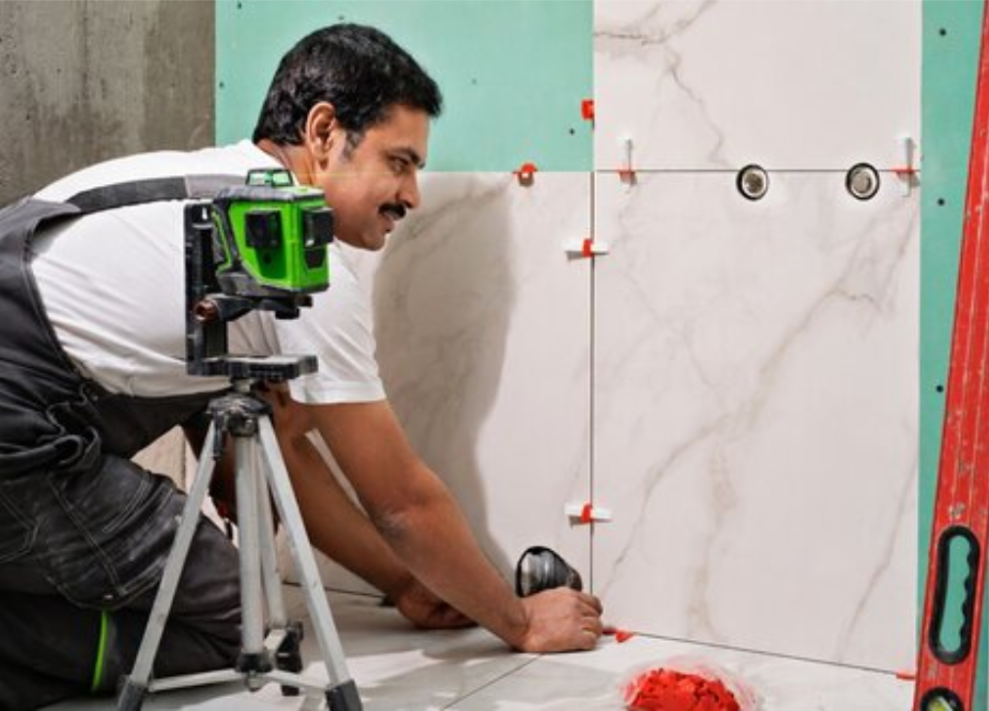
Common Tile Adhesive Mistakes That Cause Hollow Tiles and Debonding
Introduction
In homes and commercial spaces across Manimala, kottayam, tile installation problems like hollow sounds, lifting edges, and debonding are becoming increasingly common due to incorrect installation practices. While many people focus only on tile selection, the real long-term strength of a tiled surface often depends on choosing the best tile adhesive and following the right installation process.
With reliable solutions from Somany Ceramics, homeowners and professionals can reduce common installation failures and build tile surfaces that remain durable, stable, and visually clean for years.
Hollow tiles are one of those problems that usually do not show up immediately. They appear later, when a tile starts making a dull sound underfoot, when an edge begins to lift, or when grout lines crack without an obvious reason. Debonding feels even more frustrating because it looks like a product failure, while in many cases it is actually an installation failure.
The good news is that most of these issues can be avoided. The key is to treat tile installation as a complete system rather than a one-step process. Choosing the best tile adhesive is important, but that is only the beginning. Surface preparation, mixing, application technique, open time, curing, and coverage all play a role in how strong the bond remains over time.
Mistake 1: Choosing the Wrong Adhesive for the Tile Type
One of the most common mistakes is assuming that one adhesive can be used for every tile. In reality, different tiles have different needs. Ceramic, vitrified, porcelain, natural stone, and large-format tiles differ in weight, porosity, and surface characteristics. If the adhesive does not match the tile type, the bond may be weak or inconsistent.
What to Do Instead:
Match the adhesive to the tile material and the area of use
Check whether it is suitable for walls, floors, wet zones, or exterior areas
Do not choose a random heavy-duty adhesive unless it is appropriate for the tile
When homeowners look for the best tile adhesive, they should focus on suitability, not just assumptions. A product that works well for one application may not perform the same way in another.
Mistake 2: Treating Adhesive Like a Quick Fixing Gum
Many people casually refer to adhesive as a simple fixing paste, but that mindset often creates problems. Tile adhesive is not a shortcut product. It is a bonding system that depends on method, timing, and proper application.
Common Shortcut Habits Include:
Spreading adhesive over a very large section at once
Using an inconsistent adhesive bed thickness
Lightly pressing tiles instead of bedding them properly
Skipping back buttering where required
The result is often patchy adhesion, hollow sounds, and weak spots under the tile. A durable finish depends on technique, not speed.
Mistake 3: Ignoring Surface Preparation
Even the best tile adhesive will struggle if the substrate is dusty, weak, damp, or uneven. In many cases, hollow tiles and debonding happen because the adhesive bonded to dust or loose particles rather than the actual wall or floor.
Common Problems Include:
Loose plaster, flaky paint, or powdery screed left untreated
Dust and debris not cleaned properly
Uneven substrates that create gaps under the tile
Moisture issues in bathrooms, balconies, or renovation zones
What to Do Instead:
Make sure the surface is clean, firm, and level
Remove all loose material before application
Correct unevenness before tiling begins
Address moisture-related problems in advance
A proper installation always starts below the tile surface.
Mistake 4: Incorrect Mixing
Adhesive performance depends heavily on correct mixing. A common mistake is adding extra water to make the material easier to spread. While it may look convenient during application, it can reduce bond strength later.
Other Mixing Errors Include:
Using the wrong water ratio
Leaving lumps due to incomplete mixing
Preparing too much adhesive at once
Adding water again after the adhesive starts setting
Following the product instructions exactly makes a major difference. This is why the instruction manual should never be ignored, even when the installer is experienced.
Mistake 5: Missing the Open Time
Every tile adhesive has a limited workable window. If adhesive is spread and left exposed for too long, it can begin to skin over. Once that happens, the tile may not bond properly, even if it looks fine on the surface.
This Often Happens When:
The installer spreads adhesive over too large an area
Tiles are placed slowly after the adhesive has already skinned
Adjustments are made too late
To prevent this, apply adhesive only in small sections that can be tiled within the recommended time. This simple habit can reduce the chances of hollow spots significantly.
Mistake 6: Poor Coverage Under the Tile
A tile must have enough adhesive coverage underneath to stay properly bonded. Poor troweling technique, wrong notch size, or uneven spreading can leave air gaps, which later lead to hollow sounds and failure.
Better Practice Includes:
Using the correct notch trowel for the tile size
Combing adhesive in one direction
Pressing and sliding the tile slightly to collapse the ridges
Lifting a tile occasionally to inspect coverage
Good tile installation depends not only on what is visible on top, but also on what lies underneath.
Mistake 7: Using the Wrong System in Wet Areas
Bathrooms, utility spaces, terraces, and balconies need more planning than dry interior rooms. Here, debonding often happens because water movement, lack of waterproofing, or unsuitable adhesive weakens the system.
Avoid These Mistakes:
Using a standard interior adhesive in wet zones
Skipping waterproofing and expecting grout to stop water
Exposing the area to water before the adhesive has cured
Wet zones require a more careful approach, and the adhesive choice becomes even more important in these spaces.
Mistake 8: Focusing Only on Tile Adhesive Price
Many people choose an adhesive based only on tile adhesive price, assuming that the lowest-cost option is the most practical. But price alone should never decide product selection. The right adhesive gives value through performance, durability, and fewer future repairs.
A smart buyer compares both performance and affordability. If you are looking at tile adhesive price, it helps to choose a product that offers dependable quality at a reasonable cost. Somany Ceramics tile adhesive solutions are available at a decent price, making them a practical option for homeowners and professionals who want both value and performance.
Why the Brand Also Matters
Installation success is not only about the method. It also depends on choosing from reliable tile adhesive brands that offer application-specific products and dependable quality.
When comparing tile adhesive brands, consistency, product range, and ease of use matter just as much as performance. For homeowners and professionals looking for trusted solutions, Somany Ceramics stands out among tile adhesive brands because it offers dependable products for different tile applications while balancing quality and value.
If you are selecting the best tile adhesive for wall tiles in interior dry areas, homeowners can consider Somany Ezy Fix SEF 333 for ceramic wall tile applications, available in both white and grey.
A Simple Way Forward
If you want to avoid hollow tiles and debonding, keep this checklist in mind:
Choose the right adhesive for the tile type and application area
Prepare the surface properly before tiling
Follow mixing ratios and instructions exactly
Work within the adhesive’s open time
Check tile coverage during installation
Allow enough curing time before use or water exposure
When the right product is paired with the right method, tile failures become far less likely.
Conclusion
In Manimala, kottayam, where tiled surfaces are exposed to daily wear, moisture, and changing environmental conditions, avoiding installation mistakes is just as important as choosing quality tiles. Problems like hollow tiles and debonding are often preventable when the correct installation practices and the best tile adhesive are used together.
For homeowners, contractors, and professionals comparing tile adhesive brands and evaluating tile adhesive price, Somany Ceramics offers dependable solutions that combine value, performance, and long-lasting bonding strength for more reliable tile installations.