


 ₹https://dealers.somanyceramics.com/tiles-and-bathware/-in-kadiri/-in-anantapur-road/somany-ceramics-krishna-ceramics-in-anantapur-road-kadiri--1qMcam/articles/how-to-choose-the-right-tile-adhesive-for-your-project-in-anantapur-road-kadiri--3f88bc67-5955-4c4d-9d9a-c55fb5171f9b
Somany Ceramics - Krishna Ceramics, Anantapur Road, kadiri
Best Bathroom, Kitchen, Wall and Floor Tiles Shop in Anantapur Road, Kadiri, Andhra Pradesh
No 1/1190/3D1, Opposite Judge Quarters, Anantapur Road, kadiri, andhra pradesh - 515591
Request A Call Back
Somany Ceramics - Krishna Ceramics Social feeds in Anantapur Road, kadiri
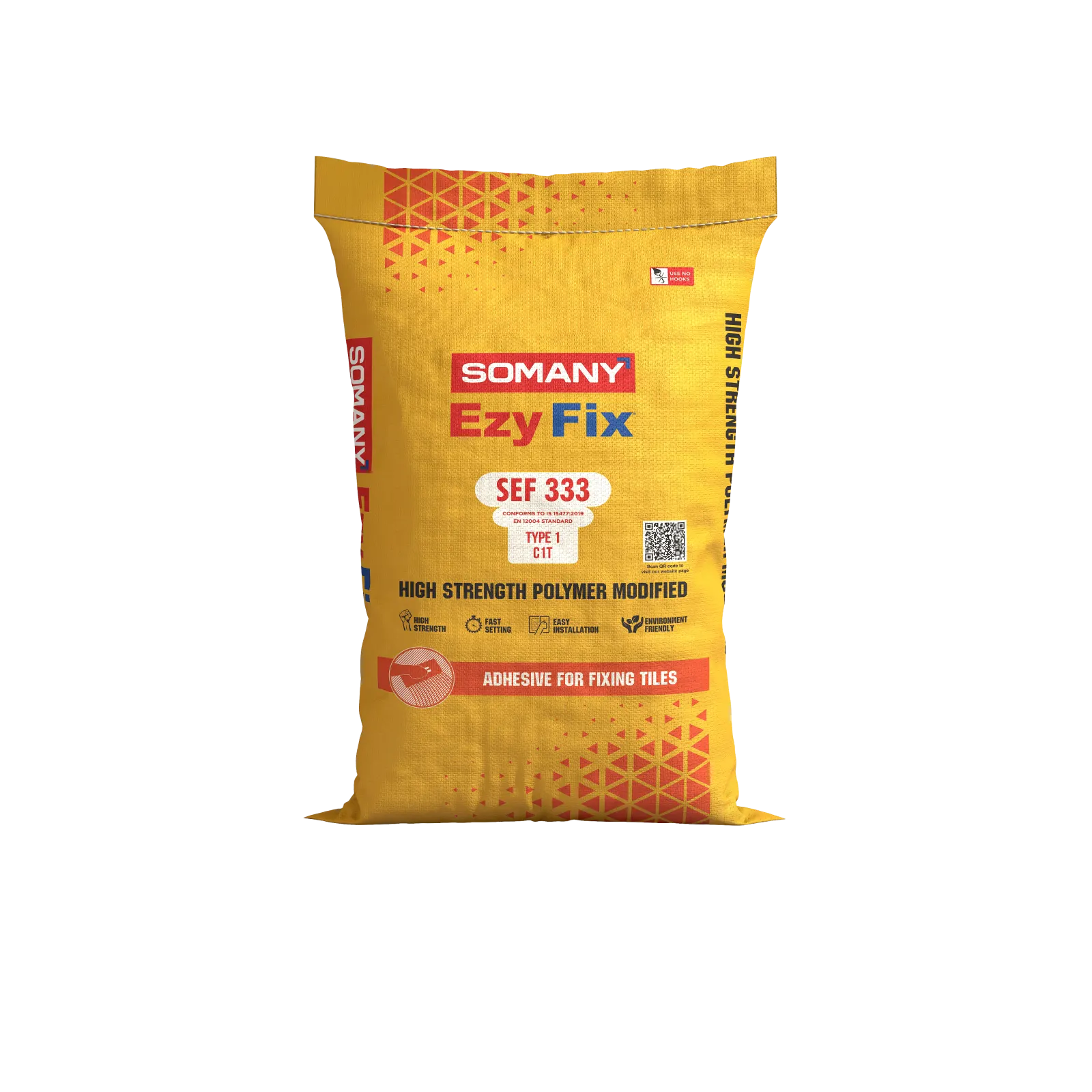
How to Choose the Right Tile Adhesive for Your Project in Anantapur Road, kadiri
Picking a tile is the fun part. Choosing the tile adhesive that holds it in place is where many projects quietly succeed or fail. The wrong adhesive can lead to hollow tiles, debonding and expensive rework, while the right one gives a strong, lasting bond. If you are planning a project in Anantapur Road, kadiri, this practical guide explains how to select an adhesive that actually suits your tile, surface and site conditions.
What Tile Adhesive Actually Does
A tile adhesive is a specially formulated fixing material that bonds a tile to its substrate. Modern polymer-modified adhesives have largely replaced the traditional sand-and-cement method, because they offer more consistent bonding, better coverage and more controlled application. In short, the adhesive is what keeps your tiles firmly in place for years, so it is not a place to cut corners.
Why Adhesive Selection Matters
Different tiles, surfaces and conditions place different demands on an adhesive. A heavy large-format tile on an exterior wall is a very different job from a small ceramic tile on an interior floor. Using a general-purpose product where a more suitable one is needed is one of the most common causes of tile failure. Matching the adhesive to the job is the single most important decision in a tiling project.
Match the Adhesive to the Tile Type
The tile itself is the starting point. Highly absorbent and low-absorption tiles behave differently, and dense, low-absorption tiles such as vitrified and porcelain need an adhesive suited to them, because they do not draw in moisture the way traditional methods relied on. Natural stone and marble also have their own requirements. Always match the adhesive to the specific tile or stone you are fixing.
Consider Tile Size and Format
Size changes everything. Large-format tiles are heavier and cover more area per tile, so they need an adhesive suitable for large formats and a technique that ensures full contact behind the tile. Small tiles are more forgiving. If you are using large formats, this is a key factor, and Somany's Ezy Fix adhesive range includes solutions suited to large-format tile applications.
Assess the Surface and Substrate
The substrate, the surface you are tiling onto, matters as much as the tile. Concrete, plaster, existing tiles and other surfaces each behave differently, and the substrate must be sound, clean and properly prepared. An adhesive can only perform on a suitable, well-prepared surface, so assess and prepare the substrate before choosing and applying any product.
Wall vs Floor Installation
Walls and floors have different demands. Wall tiling has to resist slump and hold the tile in place vertically while it sets, while floor tiling faces load and foot traffic. This is why adhesive choice and technique differ between the two. Consider whether you are tiling a wall or a floor before selecting a product.
Interior vs Exterior Applications
Exterior tiling faces weather, temperature change and moisture that interiors do not. Exterior applications generally need adhesives suited to those conditions, rather than products intended only for dry interior use. Somany's adhesive applications span both interior and exterior use, so match the product to where the tiles will actually be.
Wet and Submerged Areas
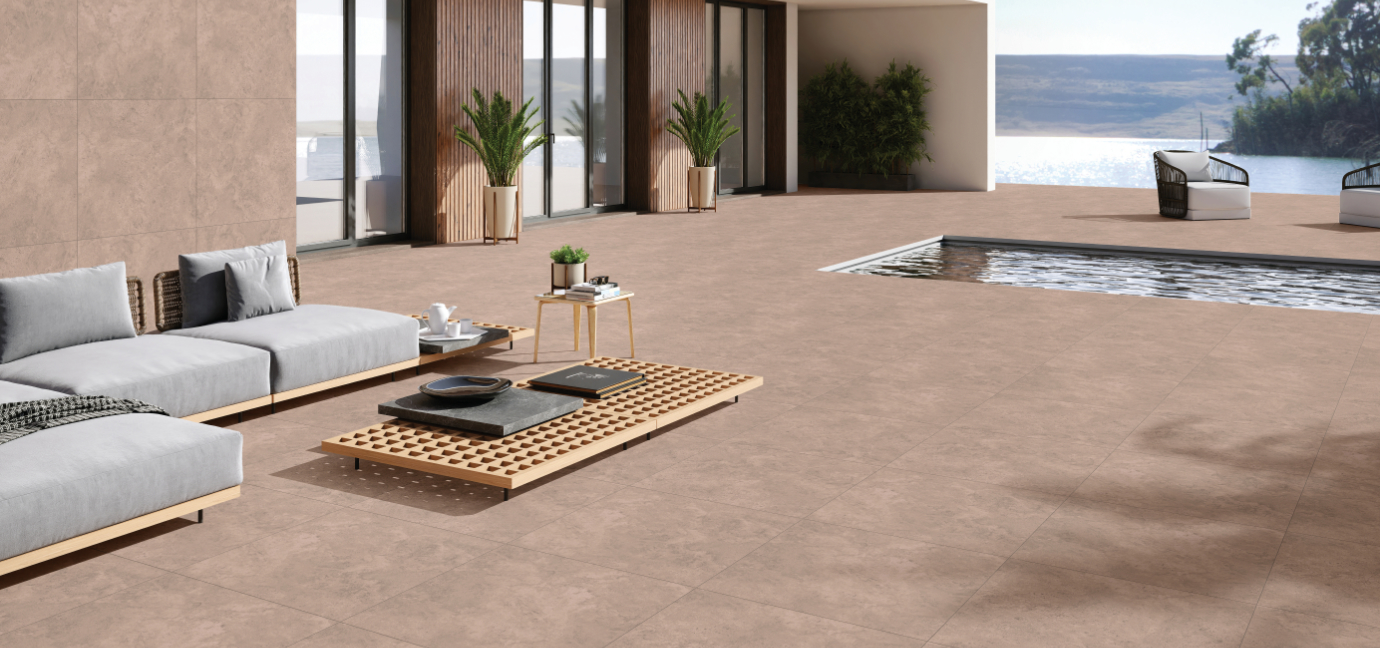
Bathrooms, balconies, swimming pools and other wet or submerged areas are the most demanding of all. These need adhesives suited to constant moisture or submersion, such as those intended for swimming pool and wet-area applications. Never use a basic interior adhesive in a pool or permanently wet setting. Somany lists swimming pool and wet-area applications within its adhesive range for exactly these conditions.
Factors That Affect Adhesive Performance
Even the right adhesive underperforms if the basics are ignored:
Surface preparation: a clean, sound, level substrate is essential
Correct mixing: follow the product's stated mixing guidance
Open time: apply and place tiles within the product's usable window
Coverage: ensure full, even contact behind the tile
Curing: allow proper setting before grouting or loading
These fundamentals are as important as the product choice itself.
Common Selection Mistakes to Avoid
Using a general-purpose adhesive for a demanding application
Ignoring the tile type, especially with vitrified, porcelain or stone
Overlooking large-format requirements
Choosing an interior product for exterior or wet areas
Skipping substrate assessment and preparation
Avoiding these alone prevents many tiling failures.
Why Product-Specific Instructions Matter
Every adhesive is formulated differently, so its mixing, open time, coverage and curing guidance are specific to that product. Following the instructions on the actual product you buy is essential, because generic assumptions can undermine even a good adhesive. Always read and follow the specific product's application guidance.
Frequently Asked Questions
How do I choose the right tile adhesive?
Match it to your tile type, size and format, your substrate, whether it is a wall or floor, and whether the area is interior, exterior, wet or submerged. Then follow the specific product's application instructions.
Do large-format tiles need a special adhesive?
Yes. Large-format tiles are heavier and larger, so they need an adhesive suited to large formats and a technique that ensures full contact behind the tile. Somany's Ezy Fix range includes solutions for large-format applications.
Can I use the same adhesive for walls and floors?
Not always. Walls and floors have different demands, so adhesive choice and technique can differ. Check that the product is suitable for your specific application.
What adhesive should I use in a swimming pool or wet area?
Use an adhesive suited to wet or submerged conditions, not a basic interior product. Somany lists swimming pool and wet-area applications within its adhesive range for these settings.
Conclusion
Choosing the right tile adhesive comes down to matching the product to your tile, surface, location and site conditions, then following its specific application guidance. Get this right and your tiles in Anantapur Road, kadiri stay firmly bonded for years.
To find a suitable solution, explore Somany's Tiles & Stone Adhesives within its Ezy Fix and Building Solutions range, and check the relevant product details for your specific application.