

 ₹https://dealers.somanyceramics.com/tiles-and-bathware/thrissur/kuruppam-road/somany-ceramics-lavish-premier-private-limited-in-kuruppam-road-thrissur--4FGkEk/articles/3-patterns-that-make-small-rooms-look-bigger-secre--f68e651e-0c19-494f-b802-58a64701c280
Somany Ceramics - Lavish Premier Private Limited, Kuruppam Road, thrissur
No 36/2701, Mannadiyar Lane, Nearby Ragam Theatre, Kuruppam Road, thrissur, kerala - 680001
Request A Call Back
Somany Ceramics - Lavish Premier Private Limited Blogs in Kuruppam Road, thrissur
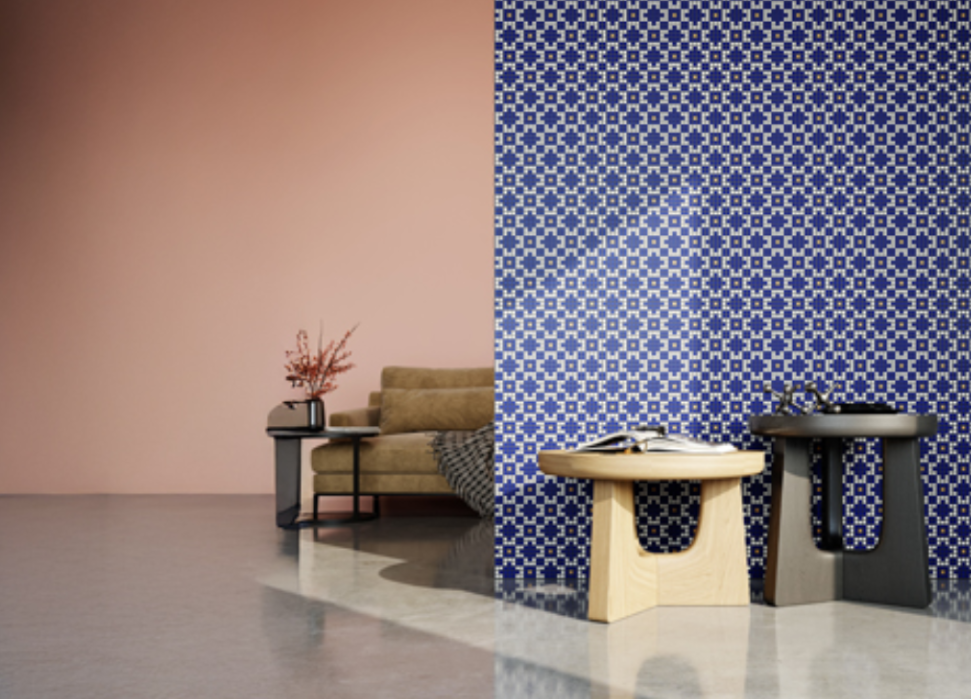
3 Patterns That Make Small Rooms Look Bigger (Secrets Designers Use)
Introduction
In compact homes and apartments across Kuruppam Road, thrissur, smart interior planning has become essential for making rooms feel brighter, larger, and more comfortable. Whether it is a small bedroom, studio apartment, or compact living area, the right use of patterns, layouts, and tile finishes can dramatically change how spacious a room feels.
With thoughtfully selected surfaces and modern tile solutions from Somany Ceramics, homeowners can create visual openness without making structural changes. The key lies in understanding how designers use patterns, light, and scale to influence perception.
The biggest challenge in how to make a small room look bigger is tricking the eye. You can’t physically expand the space, but you can strategically use design patterns to create optical illusions of height, width, and depth. This is less about specific wallpaper prints and more about visual rhythm, surface texture, and scale.
We've analyzed the tricks professional interior designers consistently use to transform compact spaces—from tiny apartments to small bedrooms. Here are the three most powerful visual patterns you can use to make any room instantly feel more spacious.
Pattern 1: The Vertical Pattern — Drawing the Eye Up
This pattern relies on emphasizing vertical lines to add imaginary height to a room. When the eye is drawn upward, it perceives the walls as being taller and the space as being more expansive than it truly is.
How to Implement It
1. Floor-to-Ceiling Drapery
Hang curtain rods as close to the ceiling as possible and let curtains fall all the way to the floor. This visually elongates the walls and creates a taller appearance.
2. Vertical Paneling or Tile Layouts
Use subtle vertical patterns in wall treatments or tiles, such as wood-look planks laid vertically. Vertical tile layouts, especially in bathrooms or feature walls, create the illusion of added height and make compact rooms feel more open.
3. Tall, Narrow Furniture
Choose vertical storage units over wide furniture pieces. Tall bookshelves and slim cabinets naturally guide the eye upward instead of spreading visual weight horizontally.
Pattern 2: The Reflective Pattern — Doubling the Space
This technique uses light and reflective surfaces to create the illusion of depth, brightness, and openness.
How to Implement It
1. Use Mirrors Strategically
Position mirrors opposite windows or light sources to reflect natural light and visually extend the room.
2. Embrace Light Colours
Whites, creams, soft greys, and muted neutrals reflect light effectively. Pairing these shades with glossy or polished surfaces helps amplify brightness.
Glossy porcelain or vitrified tiles are particularly effective because they bounce light around the room and help compact spaces feel airy and visually expanded.
3. Choose Reflective Tile Finishes
Even a glazed backsplash or polished flooring can create subtle light movement that gives the room a lighter, more spacious feel.
Pattern 3: The Visual Flow Pattern — Simplicity and Scale
This pattern focuses on maintaining uninterrupted visual continuity. A room appears larger when the eye can move freely without visual clutter or abrupt breaks.
How to Implement It
1. Go Big on Prints and Tile Formats
Large-format tiles with fewer grout lines create a seamless appearance that visually stretches floors and walls. Instead of dividing the room into smaller visual sections, they help surfaces feel continuous.
2. Show More Floor Area
Furniture with legs, floating shelves, and wall-mounted units expose more visible flooring, which instantly increases the feeling of openness.
3. Use a Monochromatic Palette
Keeping walls, floors, fabrics, and décor within the same colour family creates a calming flow that blurs boundaries between surfaces.
Practical Examples: Turning Design Theory into Real Results
Small Living Room
Use soft-grey walls with light oak-look floor tiles and a mirrored console table. Add long white drapes and a single oversized artwork to keep the room feeling airy and balanced.
Compact Bedroom
Choose a low-profile bed, wall-mounted lighting, and a large rug that extends beyond the bed frame. Pair beige tones with glossy floor tiles to create continuous visual flow and reflected light.
Studio Apartment
Combine all three patterns together:
A vertical accent wall behind the bed
Light glossy flooring
Minimal furniture with exposed legs
This creates one cohesive, luminous space that feels significantly larger than its actual footprint.
Common Mistakes to Avoid
Overusing Busy Prints
Heavy patterns and excessive textures create visual clutter and make small spaces feel cramped.
Breaking Floor Continuity
Switching flooring materials between connected rooms interrupts flow and visually shrinks the space. Using consistent tiles across areas helps maintain openness.
Using Dark Surfaces Everywhere
Dark colours can look elegant, but using them excessively in compact rooms absorbs light and reduces perceived spaciousness.
How Tiles Help Small Rooms Feel Larger
Tiles are not just decorative surfaces. In compact interiors, they become visual tools that influence scale, brightness, and movement.
Large-Format Tiles
Reduce grout lines and create seamless expansiveness.
Glossy Tiles
Reflect light naturally and increase brightness.
Light-Toned Tiles
Keep rooms visually open and airy.
Directional Tile Layouts
Vertical or linear layouts subtly guide the eye and reshape spatial perception.
This is why professional designers often rely on tile direction, finish, and scale to improve compact interiors without structural renovations.
Conclusion
In Kuruppam Road, thrissur, where compact apartments and smart interior planning are becoming increasingly common, understanding how to make a small room look bigger can completely transform the way a home feels. By using vertical patterns, reflective surfaces, and seamless visual flow, even small spaces can feel brighter, taller, and more open.
With modern tile collections, large-format surfaces, and glossy finish options from Somany Ceramics, homeowners can create elegant interiors that maximise both style and spaciousness while maintaining practical everyday comfort.