


 ₹https://dealers.somanyceramics.com/tiles-and-bathware/sivasagar/assam-trunk-road/somany-ceramics-pawan-tiles-sanitary-in-assam-trunk-road-sivasagar--4JFZi2/articles/vitrified-vs-ceramic-tiles-which-is-better-for-ind--e6a018e0-6637-4fa6-b845-a7c3209e5f7b
Somany Ceramics - Pawan Tiles & Sanitary, Assam Trunk Road, sivasagar
Best Bathroom, Kitchen, Wall and Floor Tiles Shop in Assam Trunk Road, Sivasagar, Assam
Nearby Titan World, Nearby Bank Of Maharashtra, Assam Trunk Road, sivasagar, assam - 785640
Request A Call Back
Somany Ceramics - Pawan Tiles & Sanitary Social feeds in Assam Trunk Road, sivasagar
Vitrified vs Ceramic Tiles: Which Is Better for Indian Homes?
Choosing the right tiles is one of the most important decisions when building or renovating a home. Among the many options available, vitrified tiles and ceramic tiles are two of the most popular choices for Indian households. While both offer durability, attractive designs, and easy maintenance, they differ in terms of composition, performance, and ideal applications.
If you are planning a home renovation in Assam Trunk Road, sivasagar, understanding the difference between vitrified and ceramic tiles will help you select the right flooring and wall solutions for every room. Visiting a trusted SOMANY Ceramics dealer also gives you the opportunity to compare finishes, sizes, and designs before making your decision.
Why Choosing the Right Tile Matters
Tiles influence not only the appearance of your home but also its durability, maintenance requirements, and overall comfort. Selecting the appropriate tile for each space ensures better performance and long-lasting value.
Factors to consider include:
Daily foot traffic
Moisture exposure
Room functionality
Desired aesthetics
Maintenance preferences
Budget
Understanding the strengths of both ceramic and vitrified tiles helps you make a more informed investment.
What Are Ceramic Tiles?
Ceramic tiles are made from natural clay, minerals, and water. They are shaped, glazed, and fired at high temperatures to create durable surfaces suitable for walls and floors.
Ceramic tiles are available in an extensive range of:
Colours
Patterns
Textures
Sizes
Glossy and matte finishes
Because they are versatile and cost-effective, ceramic tiles are commonly used in residential interiors, particularly for walls and areas with moderate foot traffic.
Advantages of Ceramic Tiles
Wide variety of designs
Easy to clean
Moisture resistant
Budget-friendly
Suitable for walls and light-to-moderate floor applications
Available in multiple decorative finishes
What Are Vitrified Tiles?
Vitrified tiles are manufactured using clay, silica, quartz, and feldspar, which are fired at extremely high temperatures. This vitrification process creates a dense, non-porous tile with enhanced strength and durability.
Due to their low water absorption and high wear resistance, vitrified tiles are widely used in modern homes for both residential and commercial spaces.
Advantages of Vitrified Tiles
High durability
Low water absorption
Scratch resistance
Stain resistance
Excellent strength
Suitable for high-traffic areas
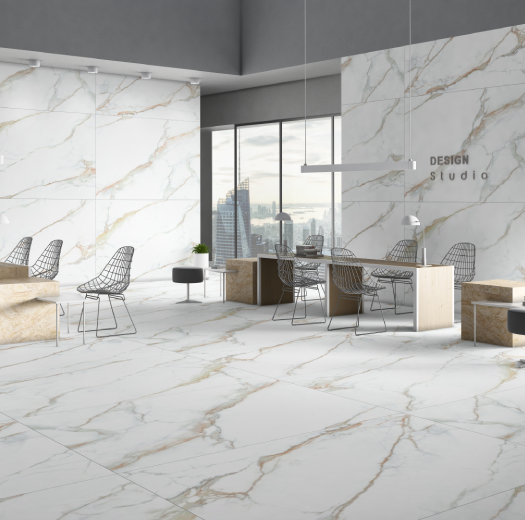
Available in polished, matte, marble-look, stone-look, and wood-look designs
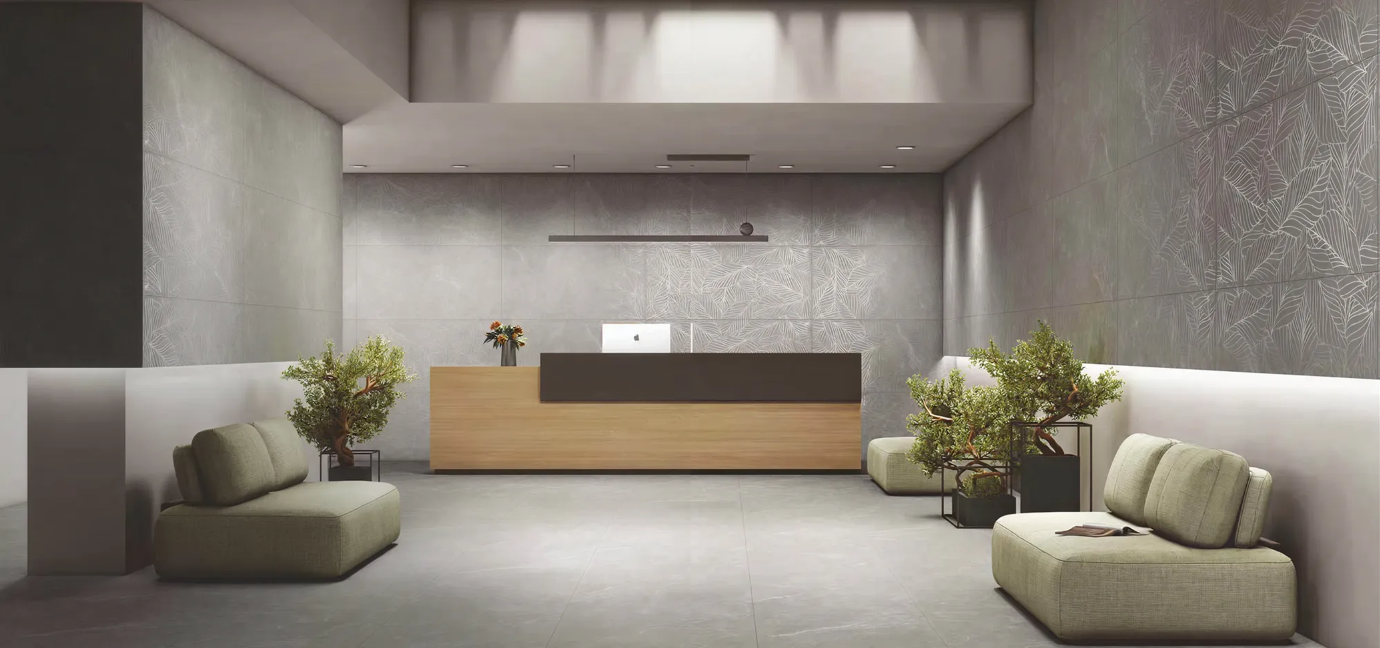
SOMANY Ceramics offers a wide collection of vitrified tiles in contemporary colours, finishes, and large-format designs suitable for different living spaces.
Difference Between Vitrified and Ceramic Tiles
The following comparison highlights the key differences between the two options.
Room-Wise Recommendations
Different rooms have different flooring requirements. Choosing the right tile helps maximise both performance and aesthetics.
Living Room
Recommended: Vitrified tiles
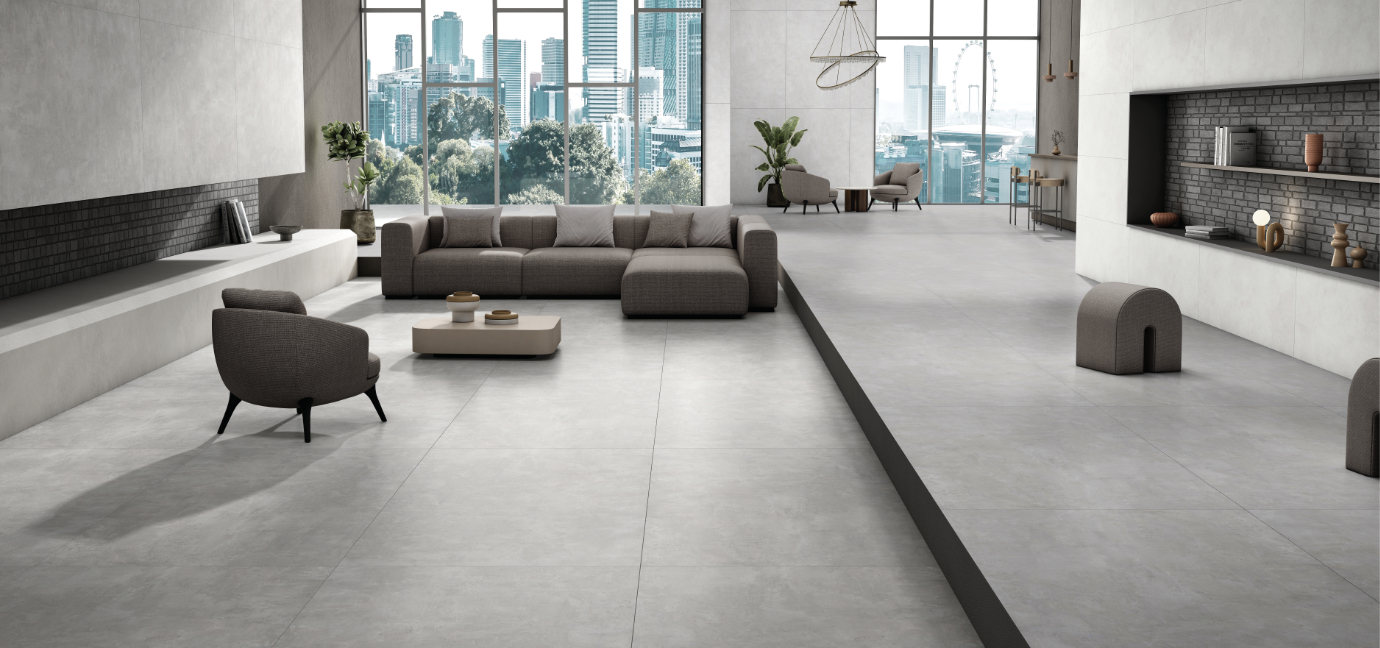
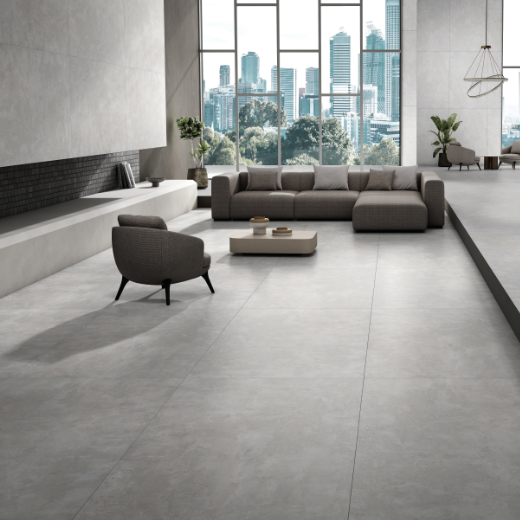
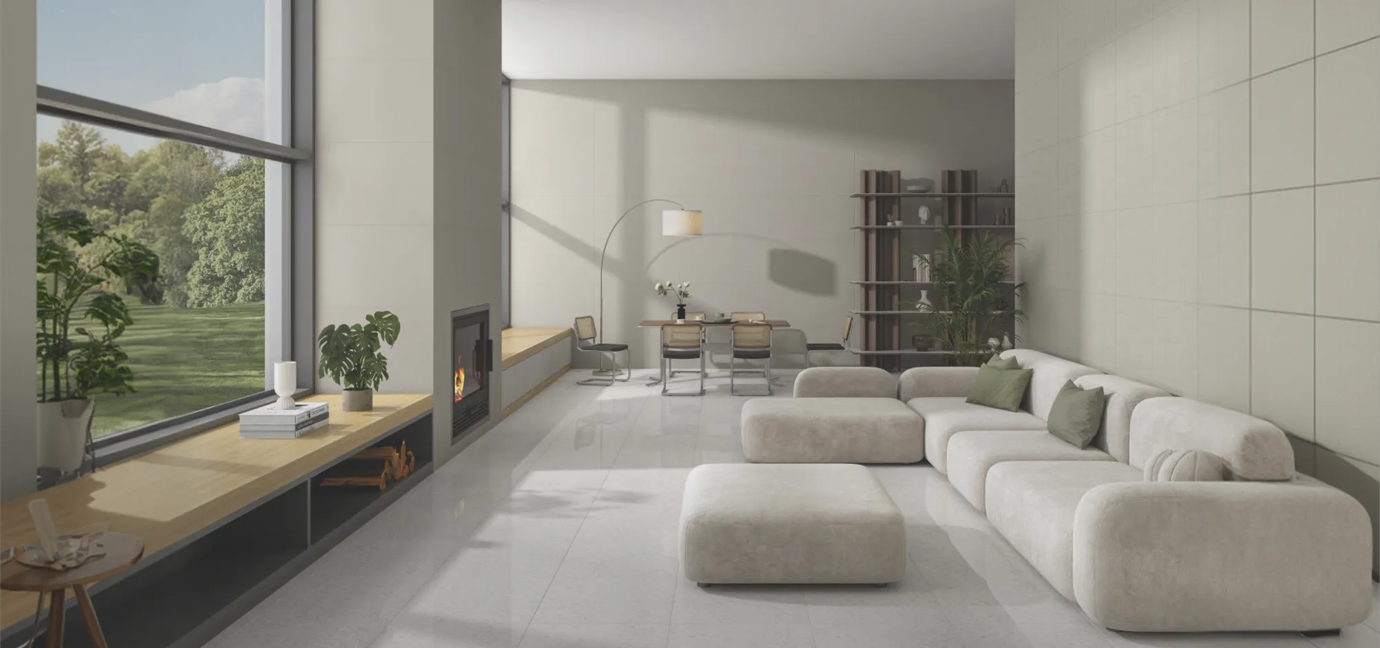
Living rooms experience frequent foot traffic. Vitrified tiles provide durability while offering elegant marble-look, stone-look, and contemporary finishes that enhance the overall appearance of the space.
Bedroom
Recommended: Vitrified or ceramic tiles
Both options work well depending on your design preference. Matte-finish vitrified tiles and wood-look collections are popular choices for creating warm and inviting bedrooms.
Kitchen
Recommended: Vitrified tiles
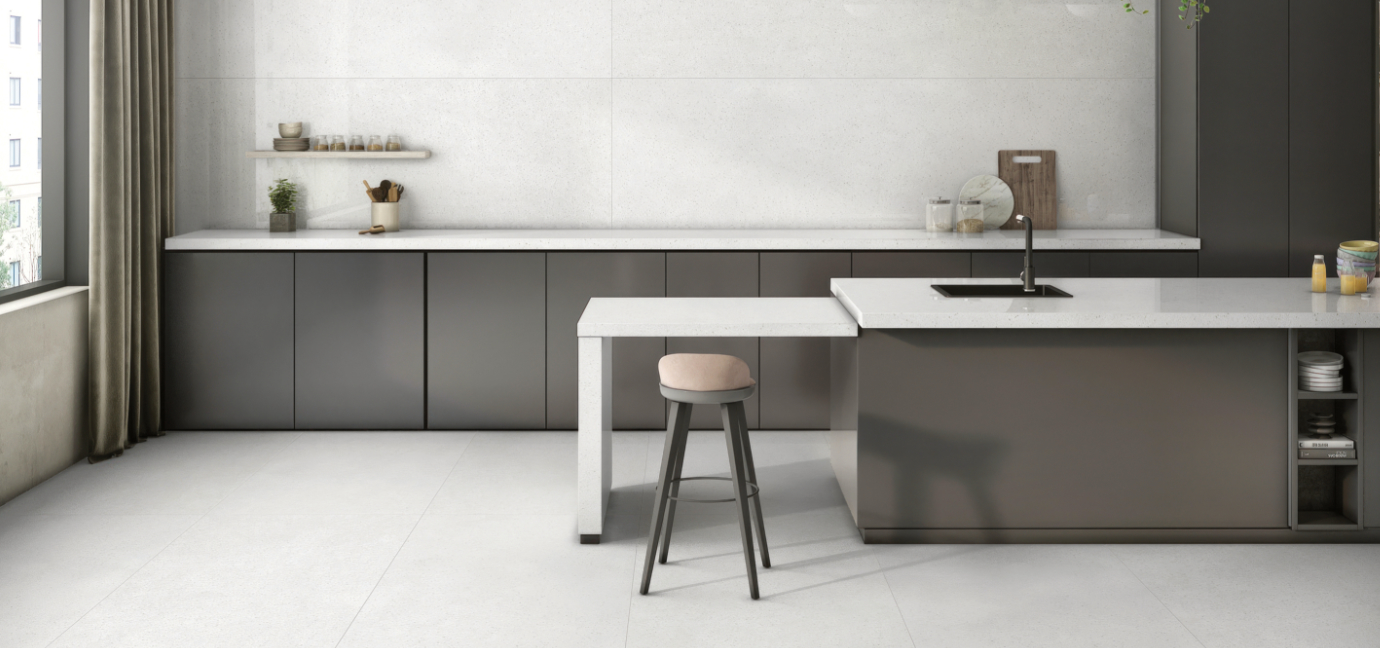
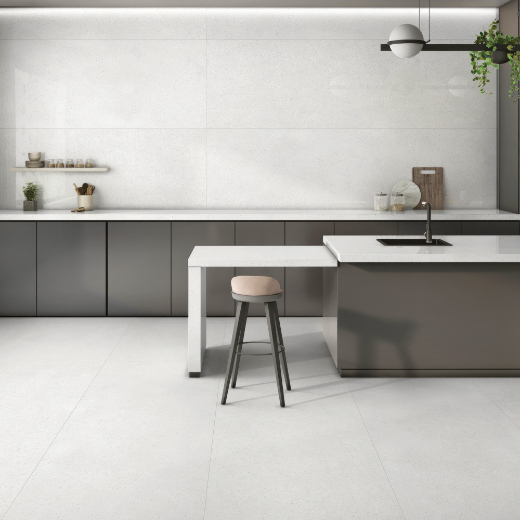
Kitchens are exposed to spills, stains, and heavy daily use. Vitrified tiles are highly resistant to moisture and stains, making them a practical flooring option.
Ceramic tiles are also widely used for kitchen walls and backsplashes because they are easy to clean and available in decorative designs.
Bathroom
Recommended: Ceramic wall tiles with anti-skid vitrified or ceramic floor tiles
Bathrooms require moisture-resistant surfaces. Anti-skid finishes improve safety, while decorative ceramic wall tiles allow homeowners to create attractive bathroom interiors.
Balcony and Outdoor Areas
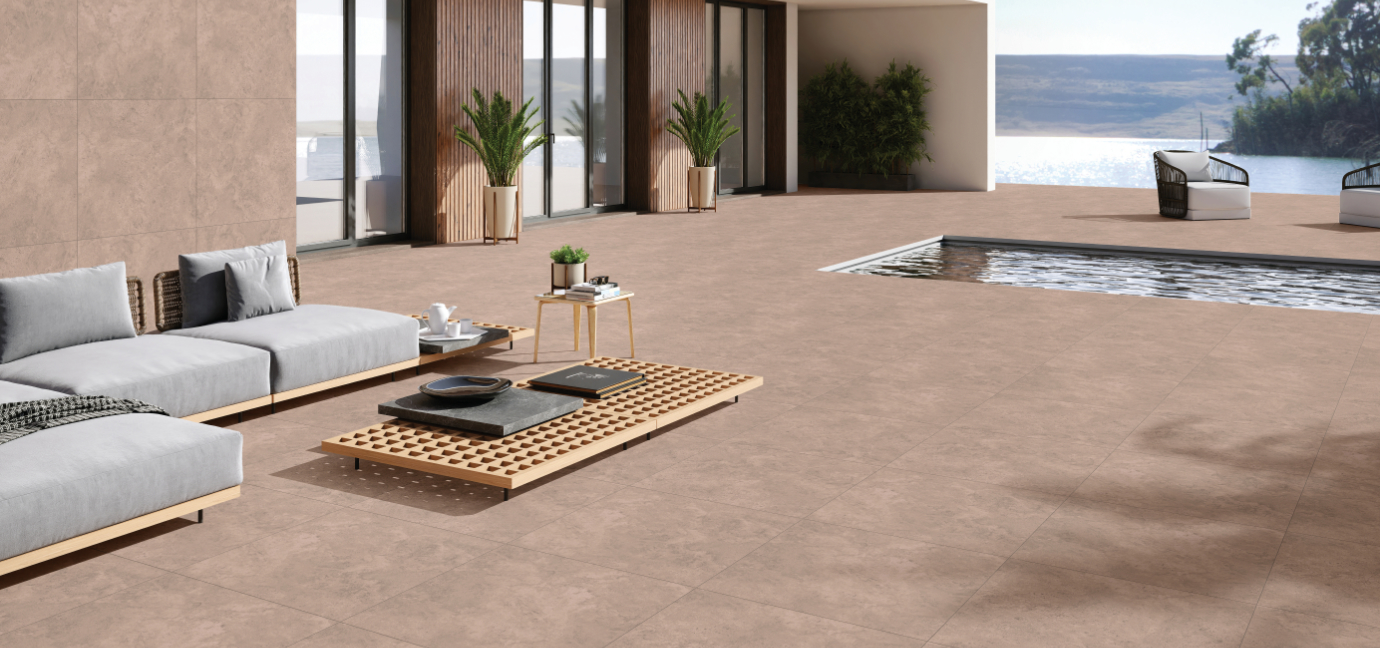
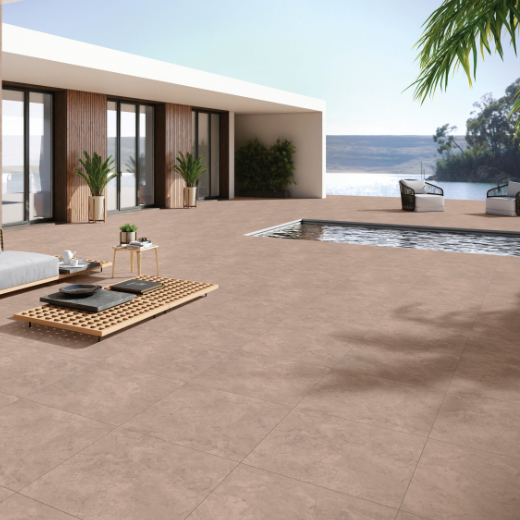
Recommended: Outdoor vitrified or specialised exterior tiles
Outdoor spaces require durable tiles capable of handling varying weather conditions while providing adequate grip.
Understanding the Cost Difference
Budget is often an important consideration when selecting tiles.
In general:
Ceramic tiles are usually more economical, making them suitable for homeowners looking for attractive designs at an affordable price.
Vitrified tiles may have a higher initial cost, but they often offer greater durability, lower maintenance, and a longer service life.
Instead of focusing only on the purchase price, it is helpful to consider the long-term value, maintenance requirements, and expected lifespan of the tiles.
A local SOMANY Ceramics dealer can help you compare different collections and recommend options that suit both your design preferences and budget.
Maintenance Comparison
Both ceramic and vitrified tiles are relatively easy to maintain, but there are a few differences.
Ceramic Tiles
Clean regularly using a soft mop and mild detergent.
Wipe spills promptly.
Avoid abrasive cleaners to protect the glazed surface.
Maintain grout lines periodically.
Vitrified Tiles
Require minimal maintenance.
Resist stains and moisture effectively.
Easy to clean with regular sweeping and mopping.
Maintain their appearance even in high-use areas.
Both tile types are suitable for modern homes, provided they are installed correctly and maintained with routine cleaning.
Which Tile Should Homeowners Choose?
The right choice depends on where the tiles will be installed and your specific requirements.
Choose ceramic tiles if you are looking for:
Decorative wall tiles
Cost-effective solutions
Stylish designs for bathrooms and kitchens
Moderate-traffic residential spaces
Choose vitrified tiles if you need:
High durability
Low water absorption
Better stain and scratch resistance
Flooring for living rooms, bedrooms, kitchens, and busy household areas
Large-format contemporary designs
Many homeowners choose a combination of both—vitrified tiles for flooring and ceramic tiles for walls—to achieve the ideal balance of performance, aesthetics, and value.
Why Visit a Local SOMANY Ceramics Dealer?
Selecting tiles from photographs alone can be difficult. Visiting a SOMANY Ceramics dealer allows you to compare textures, finishes, colours, and sizes in person.
A local dealer can help you:
Understand the difference between vitrified and ceramic tiles
Compare finishes and designs
Choose tiles suitable for each room
Match flooring with wall tiles
Estimate the quantity required for your project
Receive guidance on installation and maintenance
With an extensive collection of ceramic, vitrified, and specialty tiles, SOMANY Ceramics offers solutions for every style of home and every functional requirement.
Conclusion
Both ceramic tiles and vitrified tiles offer excellent advantages for Indian homes. Ceramic tiles are a practical choice for walls and budget-friendly applications, while vitrified tiles provide enhanced durability, low maintenance, and long-lasting performance for flooring in high-traffic areas.
If you are building or renovating your home in Assam Trunk Road, sivasagar, visit your nearest SOMANY Ceramics dealer to explore a wide selection of ceramic and vitrified tile collections. Expert guidance can help you choose the right tiles for every room, ensuring your home combines style, durability, and everyday practicality.
Frequently Asked Questions
1. What is the main difference between vitrified and ceramic tiles?
Vitrified tiles are denser, less porous, and generally more durable than ceramic tiles, making them ideal for high-traffic flooring. Ceramic tiles are widely used for walls and moderate-traffic areas.
2. Which tiles are better for living rooms?
Vitrified tiles are generally preferred for living rooms because of their strength, durability, and availability in premium finishes.
3. Are ceramic tiles suitable for bathrooms?
Yes. Ceramic tiles are commonly used for bathroom walls, while anti-skid ceramic or vitrified tiles are suitable for bathroom floors.
4. Which tiles require less maintenance?
Vitrified tiles typically require less maintenance due to their low water absorption and high stain resistance.
5. Can I use both ceramic and vitrified tiles in the same home?
Yes. Many homeowners use ceramic tiles for walls and vitrified tiles for flooring to achieve the best combination of aesthetics, performance, and value.