







 ₹https://dealers.somanyceramics.com/tiles-and-bathware/kanyakumari/kollankodu/somany-ceramics-fathima-traders-in-kollankodu-kanyakumari--3nvWff/articles/epoxy-grout-vs-cement-grout-which-is-right-for-ind--821a23e6-21c4-421b-9257-feb314126e91
Somany Ceramics - Fathima Traders, Kollankodu, kanyakumari
Best Bathroom, Kitchen, Wall and Floor Tiles Shop in Kollankodu, Kanyakumari, Tamil Nadu
Shop No 4/99A, Vilavancode, Kanyakumari, Nearby Urambu Junction, Kollankodu, kanyakumari, tamil nadu - 629160Request A Call Back
Somany Ceramics - Fathima Traders Social feeds in Kollankodu, kanyakumari
Epoxy Grout vs Cement Grout: Which Is Right for Indian Homes in Kollankodu, Kanyakumari?
You have chosen your tiles and your adhesive, and then comes a question many homeowners overlook until the end: which grout? It seems like a small detail, but grout affects how your tiles look, how easy they are to clean and how well the joints hold up to water and stains. This balanced comparison of epoxy grout vs cement grout helps homeowners and professionals in Kollankodu, Kanyakumari make the right call for each space.
What Grout Actually Does
Grout fills the joints between tiles. It is not just cosmetic: it holds the joint together, keeps out dirt and moisture at the surface, and gives the finished tiling a clean, complete look. Because grout sits in the gaps most exposed to water and staining, the type you choose has a real impact on maintenance and durability.
What Is Cement Grout?
Cement grout, often a cement polymer grout, is the traditional and most widely used option. It is easy to apply, economical and available in many colours, which makes it a common choice for general residential tiling. Somany offers an Ezy Fix Cement Polymer Grout in this category. Its trade-off is that cement-based joints are more porous, so they can absorb water and staining more readily and may need more care over time.
What Is Epoxy Grout?
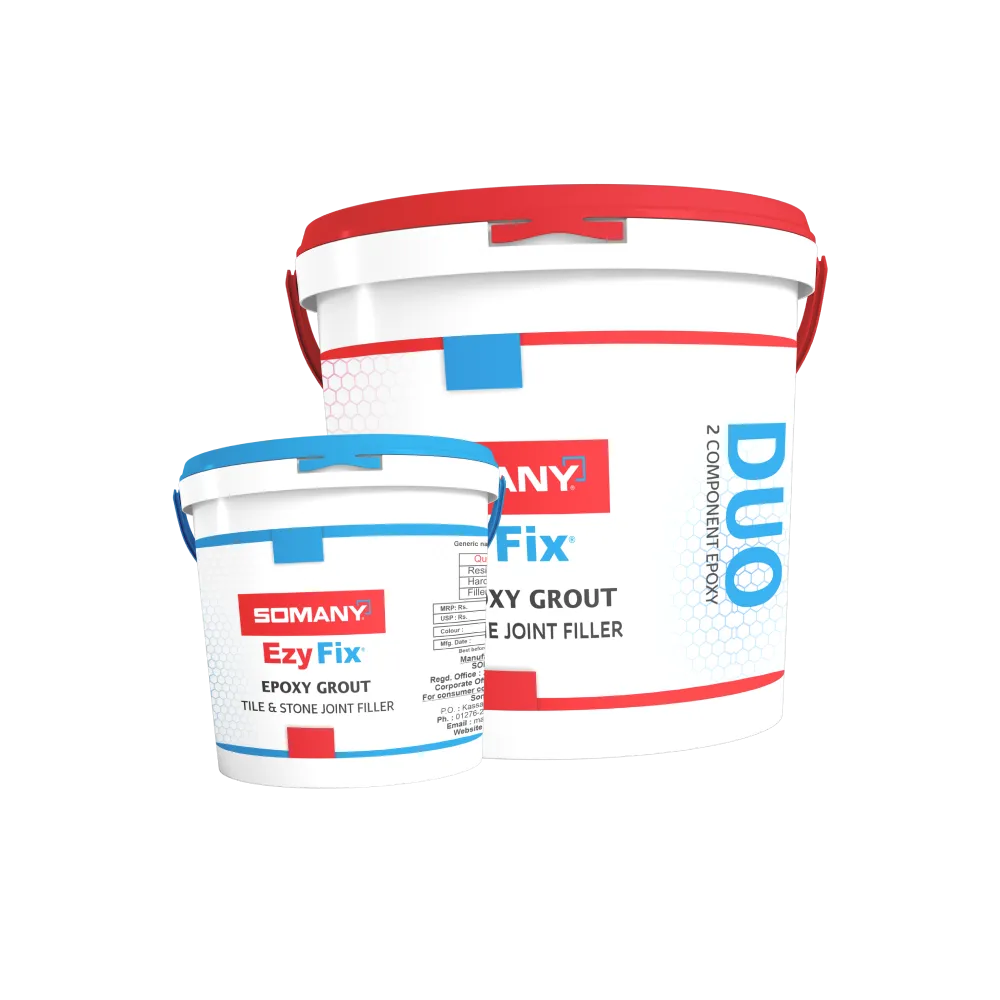
Epoxy grout is a multi-component product designed for higher performance. It is known for strong resistance to water, stains and chemicals, which makes it well suited to demanding and wet areas. Somany offers an Ezy Fix Epoxy Grout in this category. The trade-offs are that it is generally more expensive and more technique-sensitive to apply, so professional installation is often preferred.
Water and Moisture Exposure
This is a key difference. Epoxy grout's strong moisture resistance makes it a good fit for areas exposed to water, while cement-based grout is more porous and can absorb moisture more readily at the joint. For consistently wet areas, epoxy grout generally has the advantage. For dry or low-moisture areas, cement grout can serve well.
Stain Resistance
Epoxy grout is well regarded for resisting stains, which is valuable in spaces prone to spills. Cement-based grout is more absorbent and can be more prone to staining over time, though good maintenance helps. If staining is a concern, such as in a kitchen, epoxy grout is worth considering.
Cleaning and Maintenance
Because epoxy grout resists water and stains well, joints tend to stay cleaner and need less intensive upkeep. Cement-based joints may require more regular cleaning and care to stay looking their best. Consider how much maintenance you are willing to do when choosing.
Appearance
Both can look excellent when installed well, and both come in a range of colours. Epoxy grout often gives a consistent, polished joint finish, while cement grout offers a classic look across many shades. Appearance alone rarely decides the choice, since performance and upkeep usually matter more.
Application Areas
Where you are tiling should guide the choice.
Kitchens
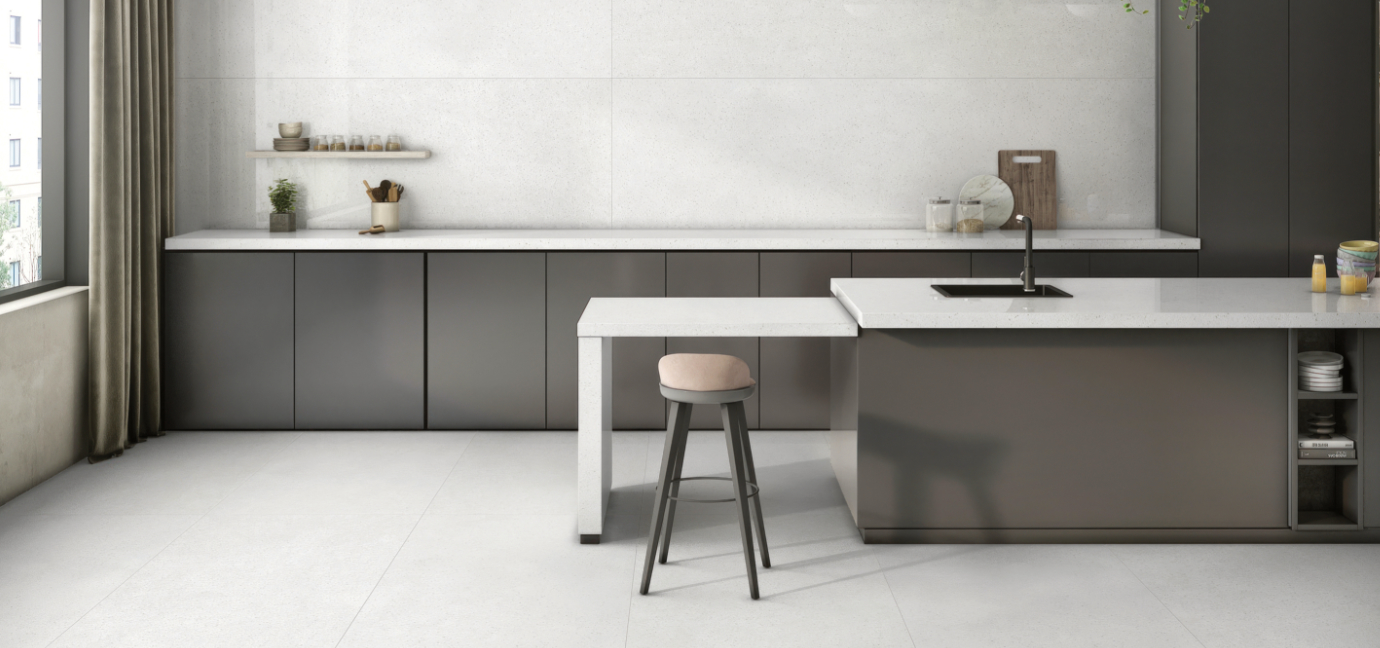
Kitchens see spills, grease and frequent cleaning, so stain and moisture resistance matter. Epoxy grout is often preferred for kitchen counters and backsplashes for this reason.
Bathrooms
Bathrooms are wet areas, so moisture resistance is important. Epoxy grout suits wet zones well, while cement grout can be used in drier parts of the bathroom.
Balconies
Balconies face moisture and weather, so a grout suited to those conditions is sensible. Consider the exposure the space actually faces.
Swimming Pools and Submerged Areas
Permanently wet and submerged areas are the most demanding, and generally call for a grout suited to those conditions. Always confirm a product's suitability for pool or submerged use before choosing it.
Residential vs Demanding Applications
For general, low-moisture residential joints, cement polymer grout is often a practical, economical choice. For demanding, wet or high-use areas, epoxy grout's resistance can be worth the extra cost and care. Many homes use both, choosing each grout where it performs best.
Cost Considerations
Cement grout is generally the more economical option upfront, while epoxy grout typically costs more. But consider the long term too: in demanding areas, a more resistant grout can mean easier upkeep and fewer problems over the years. Weigh upfront cost against maintenance and the demands of the space.
Installation Considerations
Cement grout is more forgiving and widely used, while epoxy grout is more technique-sensitive and benefits from experienced application. Whichever you choose, follow the specific product's mixing and application guidance, and do not grout before the adhesive has properly set.
How to Choose Based on Your Project
Ask:
How wet is the area? Wetter points to epoxy.
How likely are stains? Higher risk points to epoxy.
How much maintenance will I do? Less points to epoxy.
What is my budget, including upkeep? Tighter upfront may point to cement.
Match the grout to each space rather than using one everywhere.
Frequently Asked Questions
What is the difference between epoxy grout and cement grout?
Cement grout is economical and widely used but more porous, so it can absorb water and stains. Epoxy grout resists water, stains and chemicals better and suits demanding, wet areas, but costs more and is more technique-sensitive to apply.
Is epoxy grout better than cement grout?
Neither is universally better. Epoxy grout suits wet, stain-prone and demanding areas, while cement grout is practical and economical for general, low-moisture residential joints. The best choice depends on the space.
Which grout is best for bathrooms and kitchens?
Epoxy grout is often preferred for wet and stain-prone areas like bathrooms and kitchens because of its moisture and stain resistance. Cement grout can be used in drier zones.
Is epoxy grout more expensive?
Generally yes, epoxy grout costs more upfront and is more technique-sensitive to apply. In demanding areas, its resistance and easier upkeep can offset the higher cost over time.
Conclusion
The epoxy grout vs cement grout decision is about matching the grout to the demands of each space: epoxy for wet, stain-prone and demanding areas, cement polymer grout for practical, economical general use. For a Kollankodu, Kanyakumari home, using each where it fits gives the best result.
To choose the right joint finish, explore Somany's grout range, including Ezy Fix Cement Polymer Grout and Ezy Fix Epoxy Grout, and check each product's details for your specific application.