


 ₹https://dealers.somanyceramics.com/tiles-and-bathware/kadiri/anantapur-road/somany-ceramics-krishna-ceramics-in-anantapur-road-kadiri--1qMcam/articles/waterproofing-before-tiling-why-it-matters-in-wet---0f690d17-eba5-43d8-bda2-6213d5bf3ef1
Somany Ceramics - Krishna Ceramics, Anantapur Road, kadiri
Best Bathroom, Kitchen, Wall and Floor Tiles Shop in Anantapur Road, Kadiri, Andhra Pradesh
No 1/1190/3D1, Opposite Judge Quarters, Anantapur Road, kadiri, andhra pradesh - 515591
Request A Call Back
Somany Ceramics - Krishna Ceramics Social feeds in Anantapur Road, kadiri
Waterproofing Before Tiling: Why It Matters in Wet Areas in Anantapur Road, kadiri
Most people think of waterproofing only after they see a damp patch or a leak. By then, the damage is often already done. The truth is that waterproofing before tiling should be planned as part of the installation, not treated as an afterthought or a repair. For homeowners and builders in Anantapur Road, kadiri, understanding this early saves a great deal of money and disruption later.
What Waterproofing Does
Waterproofing creates a barrier that stops water from passing through a surface into the structure behind or below it. In a tiled wet area, it is a dedicated layer applied to the substrate before tiling, so that any water reaching past the tiles and grout is stopped from entering the walls, floor or structure. It is the hidden layer that protects everything you cannot see.
Why Wet Areas Need Protection
Tiles and grout are not a waterproof barrier on their own. Water can find its way through joints and porous surfaces over time, and without a dedicated waterproofing layer beneath, it reaches the structure. Wet areas face constant or repeated water exposure, so they need this protection built in. Skipping it is one of the most common and costly mistakes in construction.
Bathrooms
Bathrooms are the classic wet area, exposed to water daily across floors and walls. They need proper waterproofing beneath the tiling to prevent moisture reaching the structure.
Kitchens
Kitchens face water around sinks and work areas, so relevant wet zones benefit from waterproofing protection.
Balconies
Balconies are exposed to rain and weather, and poorly protected balconies are a frequent source of leaks into rooms below.
Terraces
Terraces take direct weather and standing water, so they are a critical area for robust waterproofing.
Basements
Basements face water pressure from the surrounding ground, so they need waterproofing suited to that demand. Somany's waterproofing portfolio includes solutions for basement applications.
Water Tanks and Reservoirs
Water-retaining structures such as reservoirs need waterproofing designed to hold water reliably. Somany lists reservoir and similar applications within its waterproofing range.
Common Signs of Water Ingress
Catch these early:
Damp patches or discolouration on walls or ceilings
Peeling or bubbling paint
A persistent musty smell
Fungal or algal growth
Stains appearing on the floor below a wet area
Any of these can signal water getting past inadequate protection.
What Happens When Waterproofing Is Skipped
The consequences go far beyond appearance. Water reaching the structure can cause damp, peeling finishes, fungal growth, damage to adjacent rooms and, over time, harm to the structure itself. It can also undermine the tiling, contributing to debonding. Fixing water damage after the fact usually means breaking up finished tiling and redoing the work, which is far more expensive than doing it right the first time.
The Relationship Between Waterproofing, Adhesive and Grout
This is the crucial point: waterproofing, adhesive and grout each do a different job, and none replaces the other. Grout fills the joints, adhesive bonds the tile, and waterproofing stops water reaching the structure. Grout and adhesive are not a substitute for a dedicated waterproofing system. A reliable wet area needs all three working together, with waterproofing applied to the substrate before the tiles go on.
When Waterproofing Should Be Done
Waterproofing belongs in the construction sequence, applied to a prepared substrate before tiling begins. Planning it during construction, rather than adding it later, is what makes it effective. Retrofitting waterproofing after tiling usually means removing finished work, so build it into the plan from the start.
Key Factors to Discuss With Your Contractor
Before work begins, ask your contractor:
Which wet areas will be waterproofed, and how
Whether the waterproofing suits each specific area's demands
How the substrate will be prepared
How waterproofing, adhesive and grout will work together as a system
What products are being used and their suitability
These questions ensure waterproofing is planned properly rather than skipped.
Frequently Asked Questions
Why is waterproofing needed before tiling?
Because tiles and grout are not a waterproof barrier on their own. Water can pass through joints and porous surfaces over time, so a dedicated waterproofing layer beneath the tiles protects the structure from moisture.
Do grout and adhesive make an area waterproof?
No. Grout fills joints and adhesive bonds tiles, but neither replaces a dedicated waterproofing system. A reliable wet area needs waterproofing applied to the substrate before tiling.
Which areas of a home need waterproofing?
Bathrooms, relevant kitchen zones, balconies, terraces, basements and water-retaining structures all need waterproofing suited to their exposure, because they face constant or repeated water contact.
When should waterproofing be done?
During construction, applied to a prepared substrate before tiling. Planning it into the build is far more effective and economical than retrofitting it after the tiling is finished.
Conclusion
Waterproofing before tiling is not an optional extra in wet areas, it is the hidden layer that protects your home from water damage. Plan it into construction, treat it as part of the tiling system alongside adhesive and grout, and discuss it clearly with your contractor. For a Anantapur Road, kadiri home, this foresight prevents costly problems later.
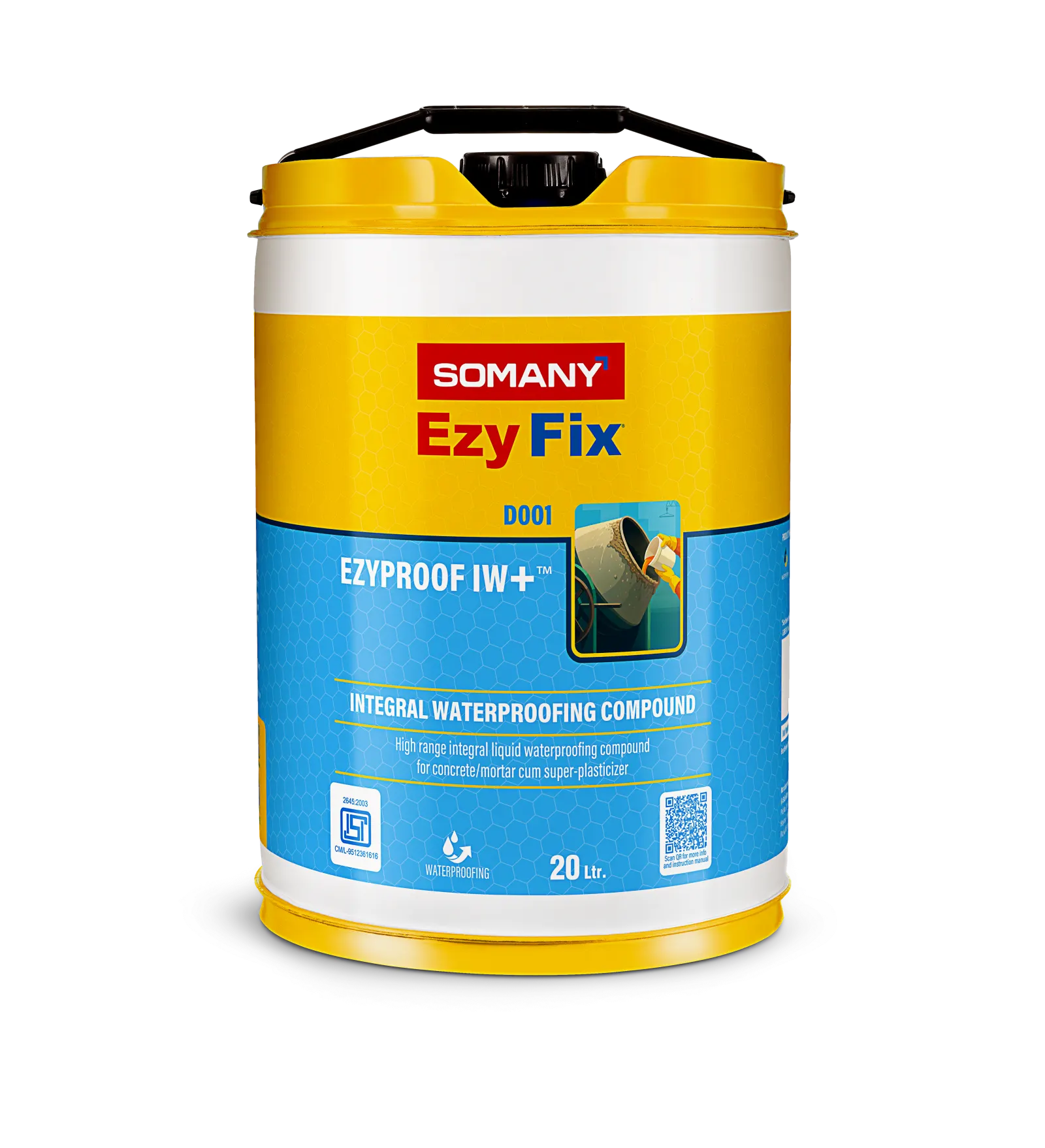
To protect your wet areas, explore Somany's waterproofing systems within its Durabuild Building Solutions range, and check the suitability of a specific solution for each area with the relevant product information.