





 ₹https://dealers.somanyceramics.com/tiles-and-bathware/kadiri/anantapur-road/somany-ceramics-krishna-ceramics-in-anantapur-road-kadiri--1qMcam/articles/tile-installation-system-explained-adhesive-grout---dd4e3d00-2201-4a2c-846e-e3de74ad451b
Somany Ceramics - Krishna Ceramics, Anantapur Road, kadiri
Best Bathroom, Kitchen, Wall and Floor Tiles Shop in Anantapur Road, Kadiri, Andhra Pradesh
No 1/1190/3D1, Opposite Judge Quarters, Anantapur Road, kadiri, andhra pradesh - 515591
Request A Call Back
Somany Ceramics - Krishna Ceramics Social feeds in Anantapur Road, kadiri
Tile Installation System Explained: Adhesive, Grout and Waterproofing in Anantapur Road, kadiri
When a tiling job fails, people often blame the tile. But tiles rarely fail on their own. A lasting result depends on several layers and materials working together, and treating them as one connected tile installation system rather than five separate decisions is what makes the difference. This guide explains how the system fits together, so homeowners and professionals in Anantapur Road, kadiri get results that last.
Why Think of It as a System
A tiled surface is only as strong as its weakest layer. The substrate, waterproofing, adhesive, tile and grout each depend on the others. A great tile on a poor substrate fails; a perfect adhesive over skipped waterproofing still lets water in. When you plan tile + substrate + waterproofing + adhesive + grout as a connected system, each part supports the rest. Here is how the layers work, step by step.
Step 1: Surface Preparation
Everything begins with the substrate. A clean, sound, suitable and properly prepared surface is the foundation of the whole system. Dust, loose material, contamination or an uneven surface all undermine the bond above. Preparing the substrate correctly, so it is clean, stable and suitably level, is not optional; it is what everything else relies on.
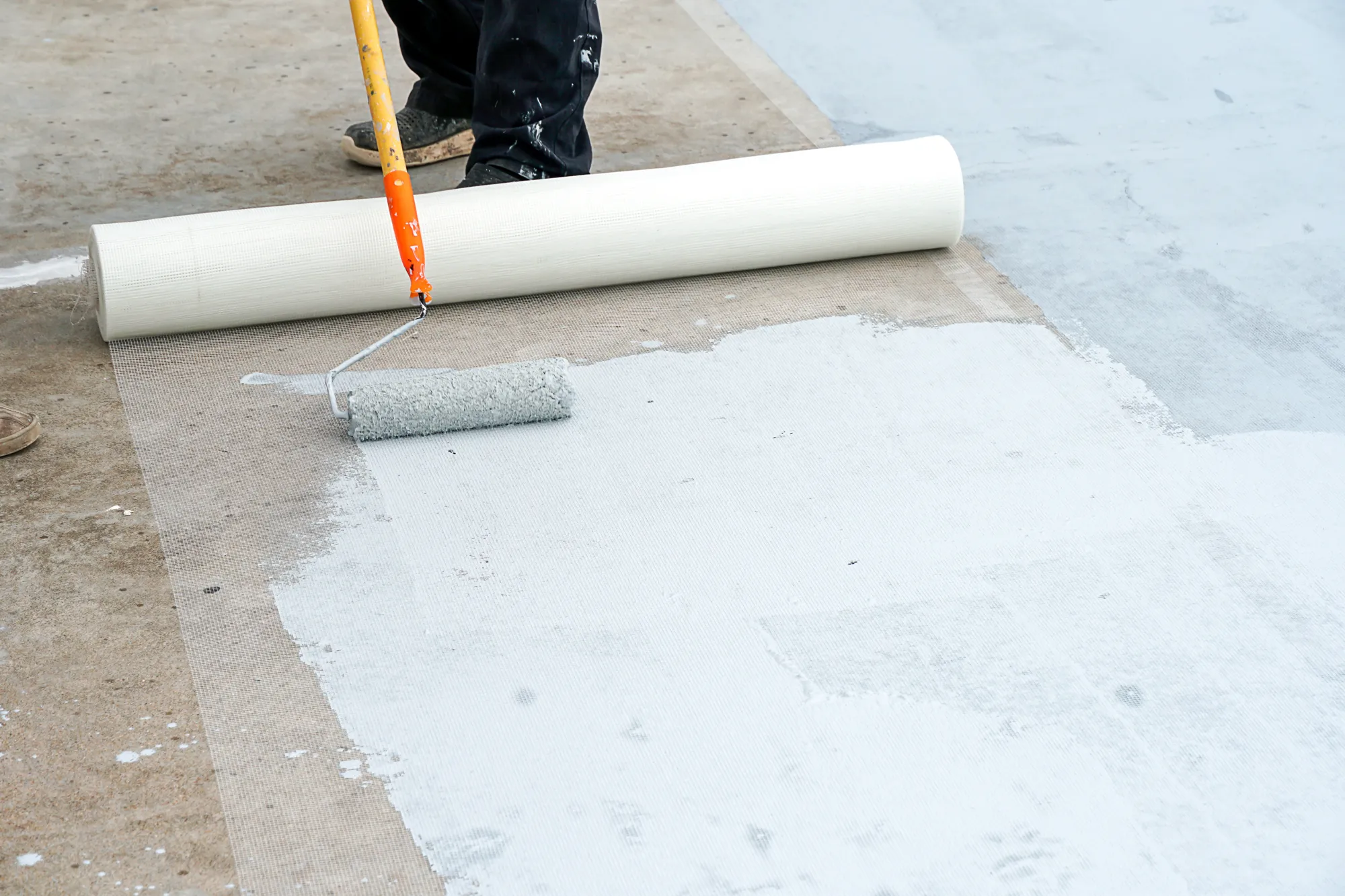
Step 2: Waterproofing
In moisture-prone areas, waterproofing comes next, applied to the prepared substrate before tiling. Bathrooms, balconies, terraces, basements and similar wet areas need this dedicated layer to stop water reaching the structure. It is important to understand that waterproofing is its own system: grout and adhesive do not replace it. Somany's Durabuild waterproofing systems are designed for these applications, so plan waterproofing into the sequence wherever moisture is a factor.
Step 3: Adhesive
The adhesive creates the bond between tile and substrate. The right adhesive, matched to the tile type, size, surface and conditions, and applied with full, even coverage, is what holds the tile reliably in place. This is where material selection and technique meet: choose an appropriate product, such as those in Somany's Ezy Fix adhesive range, and apply it correctly within its open time and coverage requirements.
Step 4: Tile Installation
With the adhesive applied, the tile is set into place. The key considerations here are achieving full contact with the adhesive bed, correct alignment and spacing, and, for large-format tiles, techniques such as back-buttering to avoid voids. Good installation practice at this stage prevents the hollow tiles and debonding that come from poor contact. Careful, correct placement is what turns good materials into a good result.
Step 5: Grouting
Once the adhesive has properly set, grout fills the joints between the tiles. Grout completes the surface, protects the joints and gives the finished tiling its clean, unified look. Choosing the right grout for the area, such as a cement polymer grout for general use or an epoxy grout for wet and demanding spaces, and applying it only after the adhesive has cured, is the finishing layer of the system. Somany offers both Ezy Fix Cement Polymer Grout and Ezy Fix Epoxy Grout for different needs.
Step 6: Maintenance
The system does not end at installation. Proper cleaning and maintenance preserve the finished surface over time, keeping joints clean and the tiling looking its best. Following suitable care for your tiles and grout protects the investment you have made in the whole system.
How the Layers Depend on Each Other
To see why the system matters, consider how a weakness in one layer affects the rest:
Poor surface prep weakens the adhesive bond above it
Skipped waterproofing lets water damage the structure and undermine the tiling
The wrong adhesive or poor coverage causes hollow tiles and debonding
Careless tile placement leaves voids
The wrong grout or early grouting compromises the joints and finish
Each decision affects the others, which is exactly why they should be planned together.
Choosing Materials as a System
The practical takeaway is to choose your materials with the whole system in mind, rather than picking each in isolation. A portfolio that covers waterproofing, adhesives, grouts and related solutions makes it easier to ensure the layers are compatible and suited to the job. Somany positions its Building Solutions portfolio around exactly these connected needs, spanning waterproofing systems, tile and PU adhesives, grouts, protective coatings and concrete solutions.
Frequently Asked Questions
What is a tile installation system?
It is the connected set of layers and materials that make up a tiled surface: substrate preparation, waterproofing, adhesive, tile, grout and maintenance. Treating them as one system, rather than separate decisions, gives lasting results.
Does waterproofing go before or after tiling?
Before. In wet areas, waterproofing is applied to the prepared substrate before tiling, so it protects the structure beneath the tiles. Grout and adhesive do not replace a waterproofing layer.
In what order should tiling be done?
Prepare the substrate, apply waterproofing in wet areas, apply the adhesive, set the tiles, then grout once the adhesive has set, and maintain the surface afterwards. Each step depends on the one before.
Why do all the layers matter?
Because a tiled surface is only as strong as its weakest layer. A weakness in the substrate, waterproofing, adhesive, tiling or grout can cause the whole installation to fail, which is why they should be planned together.
Conclusion
A lasting tiled surface is the result of a complete tile installation system: surface preparation, waterproofing, adhesive, tiling, grout and maintenance, each supporting the others. Planning them together, rather than as separate choices, is the key to results that last in a Anantapur Road, kadiri home.
To build your project on a connected system, explore Somany's Building Solutions portfolio, including its Ezy Fix adhesives and grouts and Durabuild waterproofing systems, and match each product to its role in the installation.