










 ₹https://dealers.somanyceramics.com/tiles-and-bathware/kadiri/anantapur-road/somany-ceramics-krishna-ceramics-in-anantapur-road-kadiri--1qMcam/articles/common-tile-installation-mistakes-that-lead-to-hol--57cff3f3-b3d6-428e-b716-b3a7349d18c5
Somany Ceramics - Krishna Ceramics, Anantapur Road, kadiri
Best Bathroom, Kitchen, Wall and Floor Tiles Shop in Anantapur Road, Kadiri, Andhra Pradesh
No 1/1190/3D1, Opposite Judge Quarters, Anantapur Road, kadiri, andhra pradesh - 515591
Request A Call Back
Somany Ceramics - Krishna Ceramics Social feeds in Anantapur Road, kadiri
Common Tile Installation Mistakes That Lead to Hollow Tiles and Debonding
Few things are more frustrating than tiles that sound hollow when tapped, or that lift and come loose months after installation. These problems, known as hollow tiles and debonding, are almost always the result of avoidable mistakes during installation. This guide walks through the most common tile installation mistakes so homeowners, contractors and installers can prevent them, whether the project is in Anantapur Road, kadiri or anywhere else.
Why Hollow Tiles and Debonding Happen
Both problems come down to the same root cause: the tile is not properly and fully bonded to the substrate. When there are voids behind the tile, or the bond is weak, the tile sounds hollow and can eventually crack, lift or detach. Almost every cause below leads back to this loss of proper tile-to-substrate contact.
Choosing the Wrong Adhesive
Using an adhesive that does not suit the tile, surface or conditions is a leading cause of failure. A dense vitrified or large-format tile, or a wet-area installation, needs an appropriate adhesive, not a generic one. Getting the adhesive selection right is the foundation of a lasting installation.
Poor Surface Preparation
Tiling onto a dirty, dusty, loose or contaminated surface prevents a proper bond. The substrate must be clean, sound and suitable before any adhesive is applied. Skipping preparation is one of the most common and damaging shortcuts.
Installing Over an Uneven Substrate
An uneven or unlevel surface leads to inconsistent adhesive thickness and voids behind the tile. These voids are exactly what create hollow-sounding, weakly bonded tiles. The substrate should be suitably level before tiling.
Incorrect Adhesive Mixing
Adhesive that is mixed incorrectly does not perform as intended. Each product has its own mixing guidance, and ignoring it compromises the bond. Always mix to the specific product's instructions.
Adding Excessive Water
A frequent field mistake is adding extra water to make an adhesive easier to spread. This weakens the adhesive and its bond strength. Follow the stated mixing ratio rather than adjusting it on site.
Ignoring Open Time
Adhesive has an open time, the window during which it stays workable and able to bond after being spread. Placing tiles after a skin has formed, past this window, results in a poor bond. Work within the product's open time and do not spread more adhesive than can be tiled in that period.
Poor Adhesive Coverage
Insufficient or uneven adhesive coverage leaves voids behind the tile. Full, even coverage is essential, especially on floors and with larger tiles, so the tile is properly supported across its back. Poor coverage is a direct cause of hollow tiles.
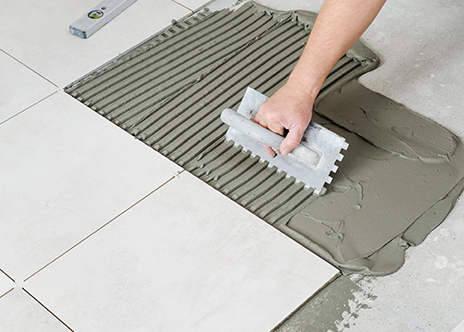
Incorrect Trowel Application
Using the wrong trowel or technique affects how much adhesive is applied and how well the tile beds in. Proper trowelling helps achieve consistent coverage and contact. Match the technique to the tile and follow good practice.
Not Providing Adequate Tile-to-Substrate Contact
Ultimately, the tile needs firm, full contact with the adhesive bed. Failing to bed the tile properly leaves gaps. Pressing the tile in correctly to achieve solid contact is what prevents voids.
Skipping Back-Buttering on Large-Format Tiles
For large-format tiles, applying adhesive to the back of the tile as well as the substrate, known as back-buttering, helps achieve full contact and avoid voids. Skipping this on applicable large-format installations is a common cause of hollow large tiles.
Ignoring Moisture and Waterproofing Requirements
Tiling wet areas without proper waterproofing, or using products not suited to moisture, invites both water damage and bond failure over time. Moisture and waterproofing requirements must be respected as part of the installation.
Grouting Too Early
Grouting before the adhesive has properly set can disturb the tiles and the bond. Allow the adhesive to cure as directed before grouting. Patience here protects the whole installation.
Using the Wrong Product for the Application
Finally, using any product, adhesive or grout, outside its intended application is a recurring cause of problems. Each product is designed for specific uses, so match the product to the job and follow its guidance.
How Proper Material Selection and Practice Help
The common thread across every mistake is this: good outcomes come from choosing suitable materials and following correct installation practice. Selecting an appropriate adhesive and grout, preparing the substrate, respecting mixing, open time and coverage, and following product instructions together dramatically reduce the risk of hollow tiles and debonding. Somany's adhesive and Building Solutions portfolio is designed to support reliable installation when used correctly for the right application.
Frequently Asked Questions
Why do tiles sound hollow?
Hollow-sounding tiles usually have voids or weak bonding behind them, caused by poor adhesive coverage, an uneven substrate, or improper bedding of the tile. The tile is not in full contact with the adhesive bed.
What causes tiles to debond or come loose?
Common causes include the wrong adhesive, poor surface preparation, incorrect mixing or excessive water, ignoring open time, poor coverage and grouting too early. Each weakens the bond between tile and substrate.
Do large-format tiles need back-buttering?
For applicable large-format installations, back-buttering, applying adhesive to the tile back as well as the substrate, helps achieve full contact and avoid voids, reducing the risk of hollow tiles.
How can I avoid tile installation failures?
Choose the right adhesive and grout for the application, prepare the substrate well, mix and apply the adhesive correctly, ensure full coverage, respect open time, and grout only after the adhesive has set.
Conclusion
Most tile installation mistakes trace back to one thing: the tile not being fully and properly bonded to the substrate. By choosing suitable materials and following correct practice, from adhesive selection to coverage, open time and grouting, you can prevent hollow tiles and debonding on any project in Anantapur Road, kadiri.
For reliable results, explore Somany's adhesive and Building Solutions range and use each product according to its intended application and guidance.