


Somany Ceramics - Alani Tile Park, Syndicate Nagar, anantapur
 INRhttps://dealers.somanyceramics.com/tiles-and-bathware/anantapur/syndicate-nagar/somany-ceramics-alani-tile-park-in-syndicate-nagar-anantapur--7Lurzi/articles/the-material-intelligence-behind-modern-ceramics--a184e393-4d42-454a-8e95-523534be5115
Plot No 58-59, Bellary Road, Narayanapuram, Nearby Industrial Estate, Syndicate Nagar, anantapur, andhra pradesh - 515004
Request A Call Back
Somany Ceramics - Alani Tile Park Blogs in Syndicate Nagar, anantapur
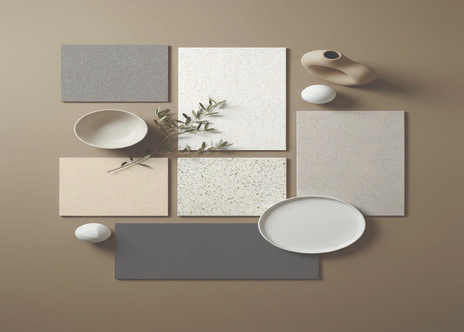
The Material Intelligence Behind Modern Ceramics
As homes in Syndicate Nagar, anantapur increasingly reflect modern design sensibilities, the materials used in construction and interiors have evolved significantly. Among them, ceramics stand out for their strength, versatility, and aesthetic appeal. From ancient clay structures to technologically advanced tiles, ceramics represent a blend of tradition and innovation making them a preferred choice for contemporary living spaces.
The Evolution of Ceramic Materials
Human beings appear to have been making ceramics for at least 26,000 years, subjecting clay and silica to intense heat to fuse and form durable materials. The earliest ceramics were fired clay bricks used to build house walls and other structures. Over time, ceramics evolved into pottery objects such as pots, vessels, and vases, primarily created by firing clay along with major minerals like silica.
With technological advancement, glazed ceramics gained popularity due to their smooth, coloured, and glassy amorphous surface on a crystalline ceramic body. Their benefits are extensive very hard surfaces, high compressive strength, resistance to heat and corrosion, and strong aesthetic value.
Today, ceramics encompass domestic products (pottery), industrial applications (refractories for steel, cement, and other high-temperature environments), building materials such as tiles and sanitaryware commonly known as whitewares and advanced engineered materials used in semiconductor and aerospace industries.
Most fired whitewares are either vitrified or semi-vitrified. Variations in crystallinity and electron composition within ionic and covalent bonds make many ceramic materials effective thermal and electrical insulators.
Raw Materials Used in Traditional Ceramics
The primary raw materials for traditional ceramics, including tiles and sanitaryware, are:
Clay
Silica
Other special minerals
Tiles are mainly classified based on water absorption into wall tiles, floor tiles, and vitrified tiles. While the manufacturing process is broadly similar, raw materials and process parameters vary significantly depending on the desired final properties.
Understanding Wall Tiles
Wall tiles typically have the highest water absorption due to greater porosity. They are made from clay (a group of kaolin), fluxing materials like feldspar and silica, and special minerals such as calcium or magnesium carbonates and wollastonite to achieve the desired water absorption and thermal stability.
Wall tiles can be single-fired or double-fired, though double firing produces superior surface quality. Surfaces may be matte or glossy, with glossy wall tiles remaining particularly popular.
The glaze composition primarily includes frits and china clay. Frits combine various inorganic oxides such as silica, alumina, calcium oxide, boron oxide, zircon, and zinc oxide in suitable ratios to achieve the desired surface texture.
At Somany Ceramics, tiles are produced using a double firing route for both surfaces, enhancing their visual appeal. The first firing is known as biscuit firing, followed by glost firing. Matching the thermal expansion coefficient of the body and glaze is critical to eliminating defects like crazing thin cracks that may develop after years of use. Somany carefully monitor the thermal expansion of both body and glaze to permanently address this issue.
Ceramic Floor Tiles: Strength Meets Functionality
Ceramic floor tiles are manufactured using various types of clay mixed with feldspar as a flux and soapstone as a special raw mineral. These materials are shaped using hydraulic presses, glazed, and fired at higher temperatures of around 1170°C.
The resulting tile offers a high modulus of rupture (greater than 300 Kg/cm²) and may feature matte or semi-glossy surfaces depending on raw materials and firing curves. The glaze composition includes silica, alumina, feldspar, boron oxide, zircon, zinc oxide, calcium oxide, magnesium oxide, and barium oxide selected according to the desired finish.
Matte surfaces may be satin or rustic to suit different application areas. Slip-resistant tiles ideal for kitchens and washrooms can also be produced with R10/R11 ratings, depending on their coefficient of friction (COF).
Somany offers a wide range of floor tiles featuring patented VC technology, which makes surfaces abrasion-resistant even after 50K revolutions as per IS13630 (Part-11) ideal for high-traffic areas. The brand also provides Slip Shield floor tiles for wet spaces, created by applying a top coating on the printed tile and firing it at around 1170°C for long-lasting durability and high COF.
Vitrified Tiles: Engineered for Durability and Finish
Vitrified tiles are manufactured using clay, soda, potash feldspar, and soapstone. Glazed vitrified tiles are available in polished and unpolished finishes.
After standard glazing, a transparent top coating is applied. Tiles are then fired at very high temperatures approximately 1200°C followed by polishing through a sequence of abrasives. These abrasives transform a rough ceramic surface into a smooth, reflective, and highly durable mirror-like finish.
To maintain glossiness, a special nano-sized chemical (10⁻⁹ m particle size) is applied through automated processes to fill micro-pores created during polishing. This treatment enhances stain resistance, making the tiles suitable for domestic use.
Thanks to varied textures achieved through specialized glazes and adjustments in abrasive sequences, glazed vitrified tiles (GVT) continue to grow in popularity.
At Somany Ceramics, Germ Shield technology combined with patented VC technology supports customer health. A specially formulated glaze is embedded into the tile and fired at around 1200°C, offering lifelong protection from germs.
Modern Tile Innovation and Design Flexibility
Today’s tiles deliver an extensive range of designs including customized options enabled by state-of-the-art high-resolution digital printing and advanced glaze compositions. Compared to many alternative materials, tiles offer clear advantages in aesthetics, easy maintenance, durability, and hygienic protection.
As a result, tiles are increasingly becoming a preferred choice among discerning homeowners, even competing with premium materials such as Italian marble.
Conclusion
For homeowners and designers in Syndicate Nagar, anantapur, understanding the material intelligence behind modern ceramics helps in making informed decisions for long-lasting interiors. With continuous innovation, advanced manufacturing, and health-focused technologies, Somany Ceramics brings together durability, performance, and design versatility. By choosing high-quality ceramic solutions, you invest in surfaces that combine timeless appeal with modern engineering ensuring spaces that remain elegant, functional, and resilient for years to come.